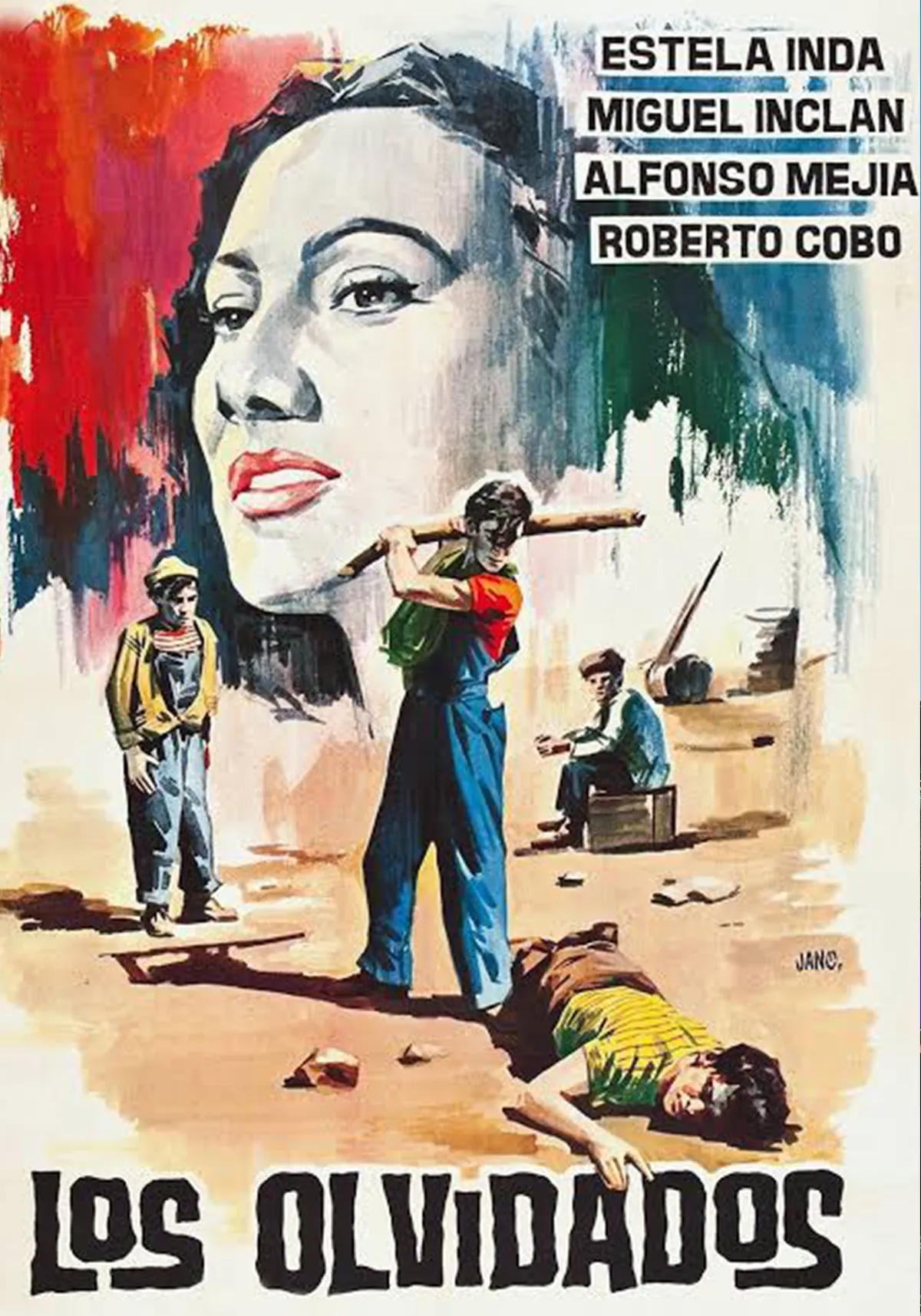
Los Olvidados
Home / 2026 / Films + Events / Los Olvidados
80 min | Drama | Crime | Social Realism | 1950 | México | Black and White | Spanish with English subtitles
Director: Luis Buñuel
Writer: Luis Buñuel, Luis Alzoriza, Max Abu
Cast: Alfonso Meía, Roberto Cobo, Estel Inda
Description / Descripción
Mexico City is growing, modernizing, and looking toward the future. In its shadows, an entire generation of children has already been left behind.
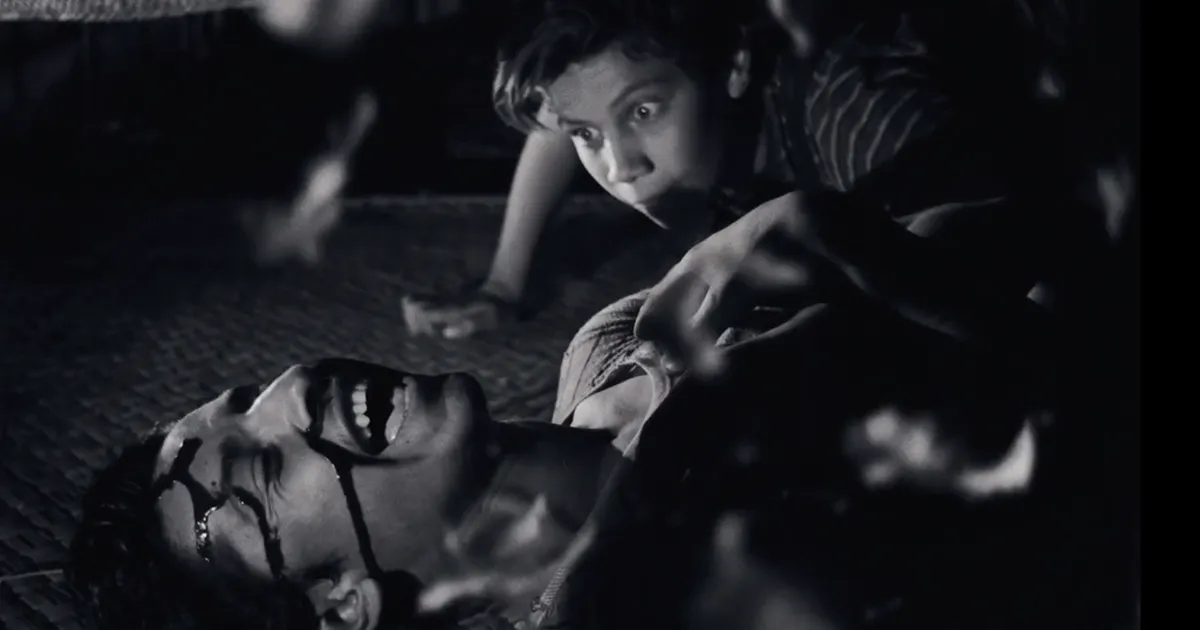
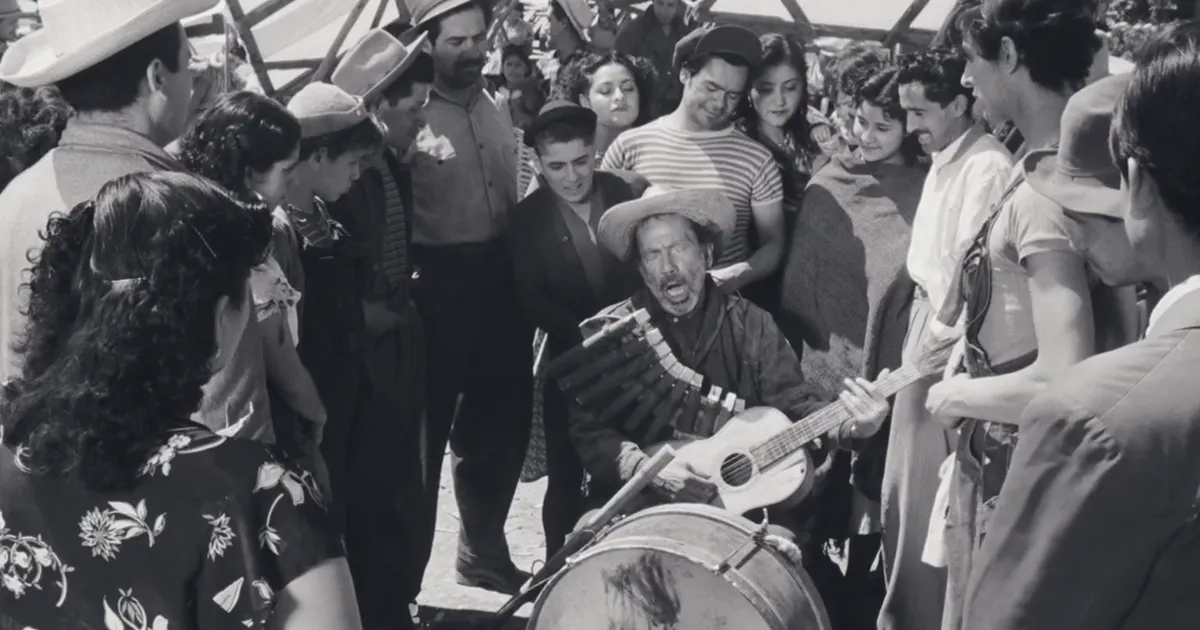
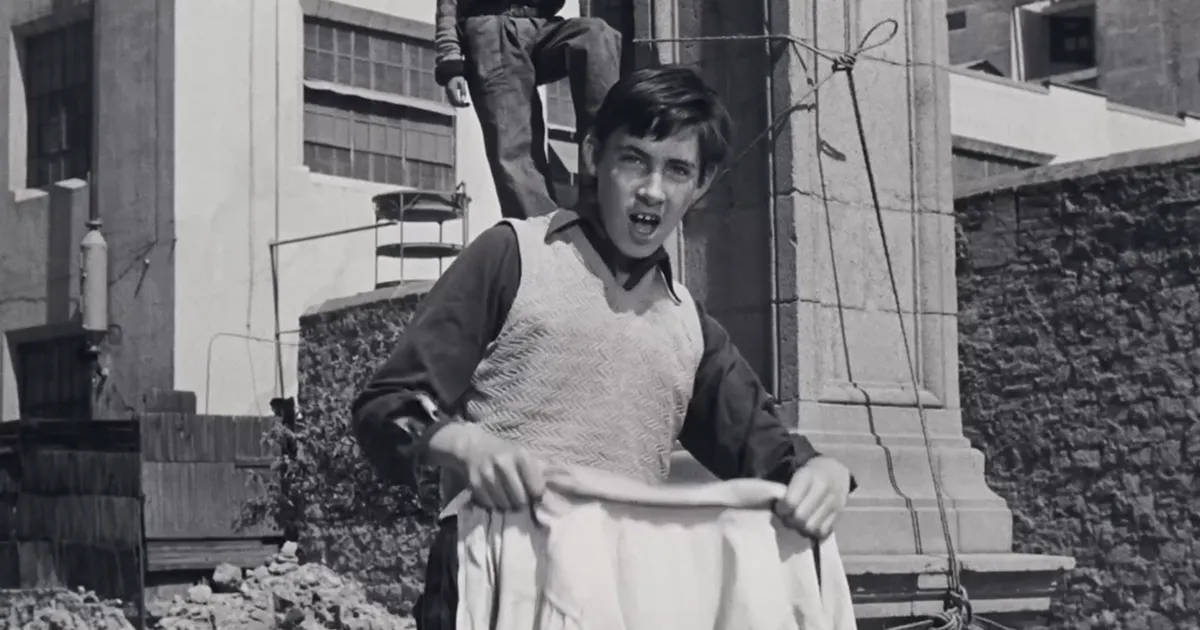
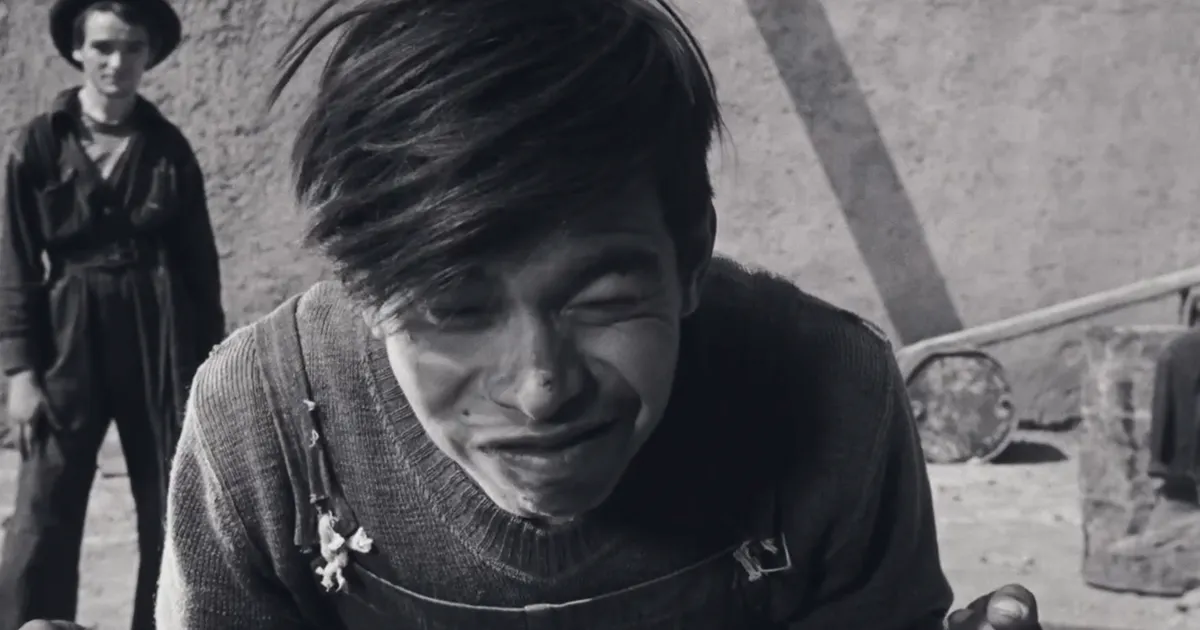
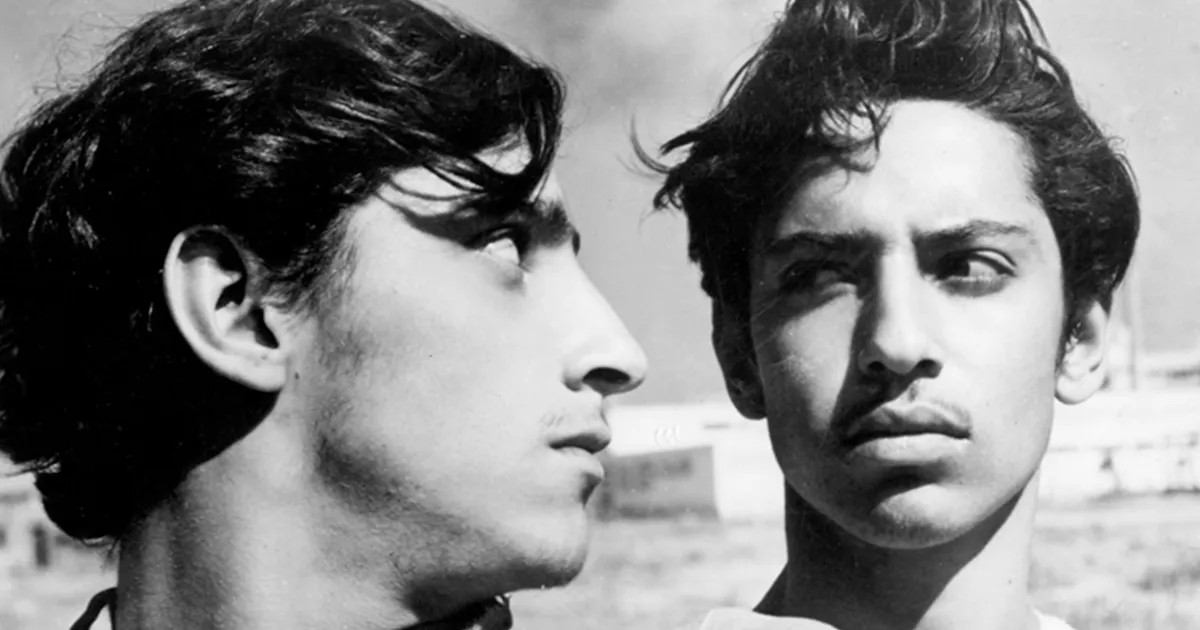
Pedro is a young boy searching for affection and the possibility of a different life. Jaibo, recently escaped from reform school, returns to the neighborhood carrying violence and a hunger for revenge. As Pedro is pulled deeper into his orbit, every path toward safety seems to close before he can reach it.
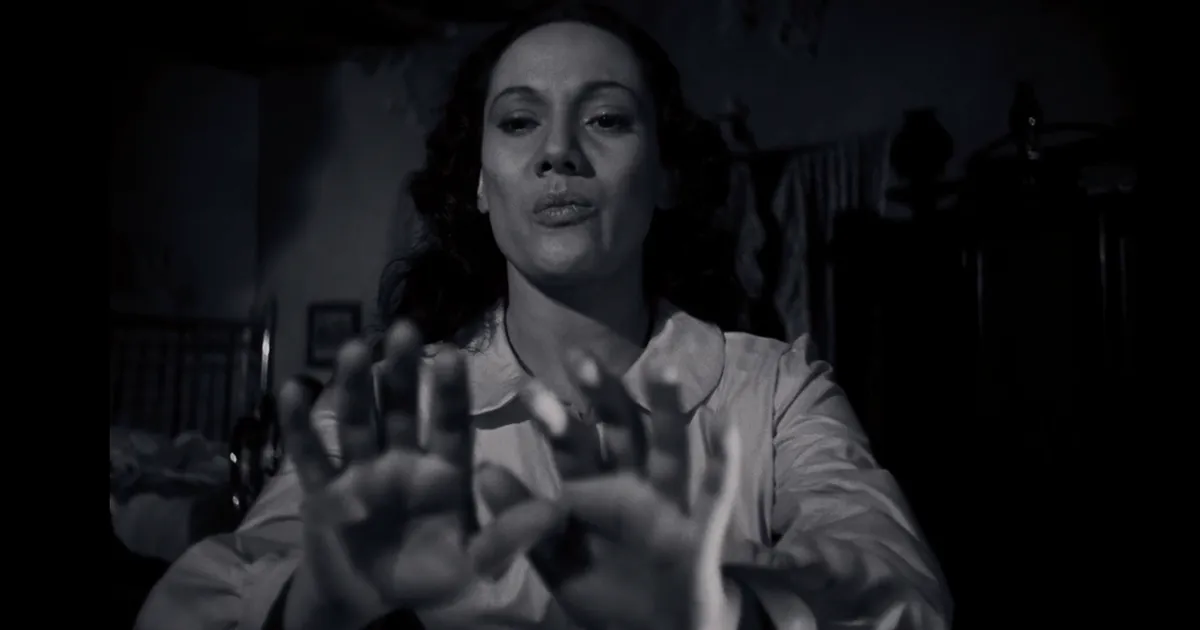
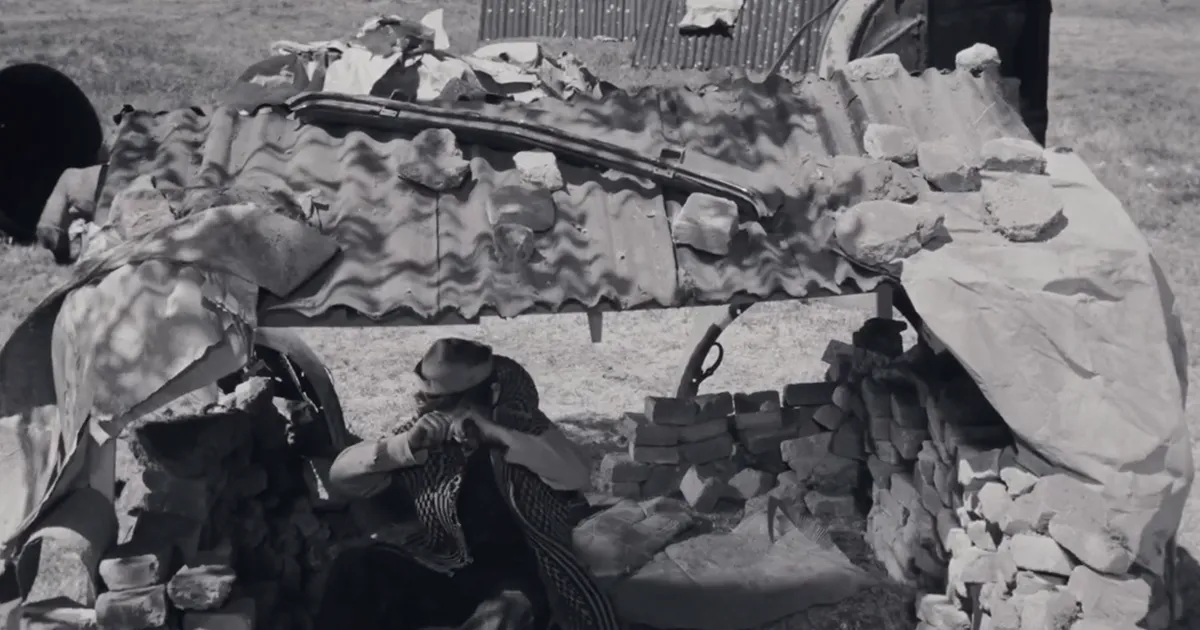
Luis Buñuel combines unflinching social realism with flashes of surrealist nightmare, refusing to romanticize poverty or turn its victims into easy symbols. Photographed in luminous black and white by Gabriel Figueroa, Los Olvidados looks directly at childhood shaped by neglect, inequality, and violence and at a society determined not to see it.
Initially met with outrage, the film became an international landmark after Buñuel received Best Director at the 1951 Cannes Film Festival. More than seven decades later, its anger, compassion, and terrible beauty have lost none of their power.
La Ciudad de México crece, se moderniza y dirige la mirada hacia el futuro. En sus sombras, una generación entera de niños ya ha sido abandonada.
Pedro es un joven que busca afecto y la posibilidad de una vida distinta. Jaibo, recién escapado del reformatorio, regresa al barrio cargando violencia y sed de venganza. Mientras Pedro queda atrapado cada vez más profundamente en su órbita, todos los caminos hacia un lugar seguro parecen cerrarse antes de que pueda alcanzarlos.
Luis Buñuel combina un realismo social implacable con destellos de pesadilla surrealista, negándose a romantizar la pobreza o convertir a sus víctimas en símbolos fáciles. Fotografiada en un luminoso blanco y negro por Gabriel Figueroa, Los Olvidados mira de frente una infancia marcada por el abandono, la desigualdad y la violencia, así como a una sociedad decidida a no verla.
Recibida inicialmente con indignación, la película se convirtió en un referente internacional después de que Buñuel obtuviera el premio a Mejor Director en el Festival de Cannes de 1951. Más de siete décadas después, su rabia, su compasión y su terrible belleza no han perdido fuerza.

Cast & Crew / Elenco y equipo
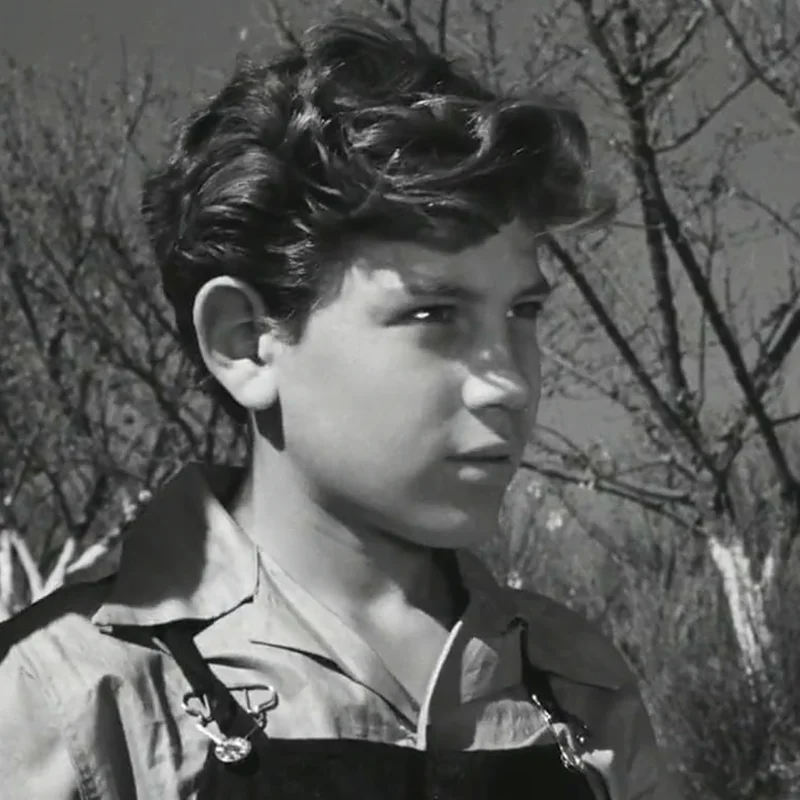
Alfonso Mejía
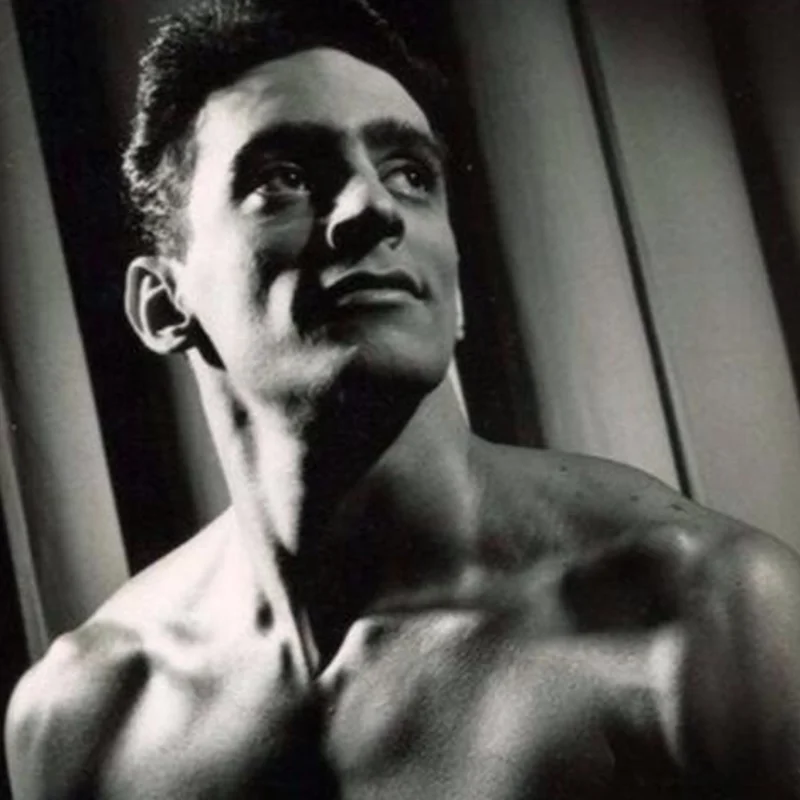
Roberto Cobo
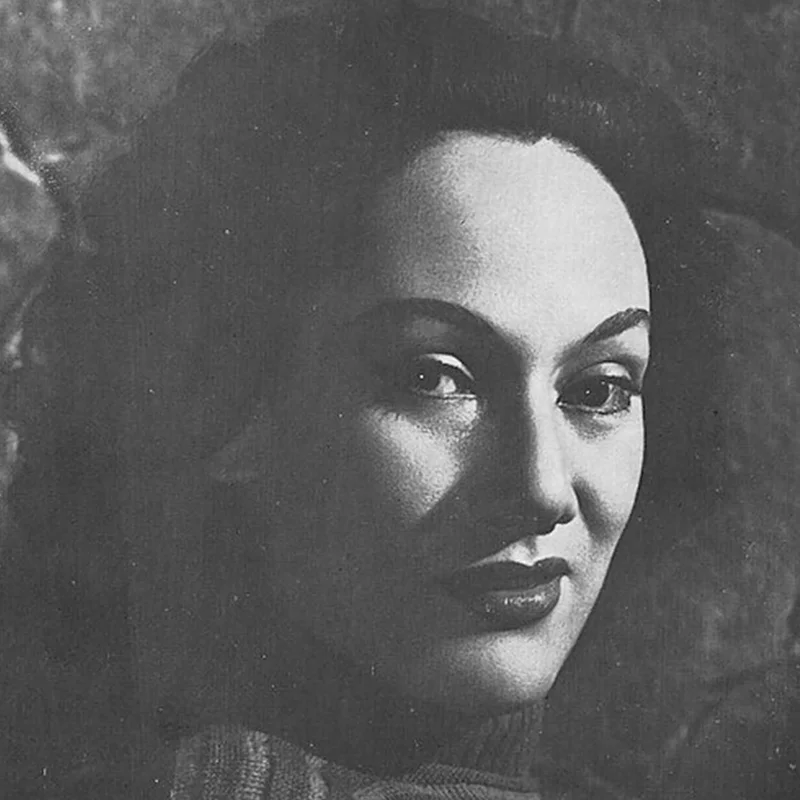
Estela Inda
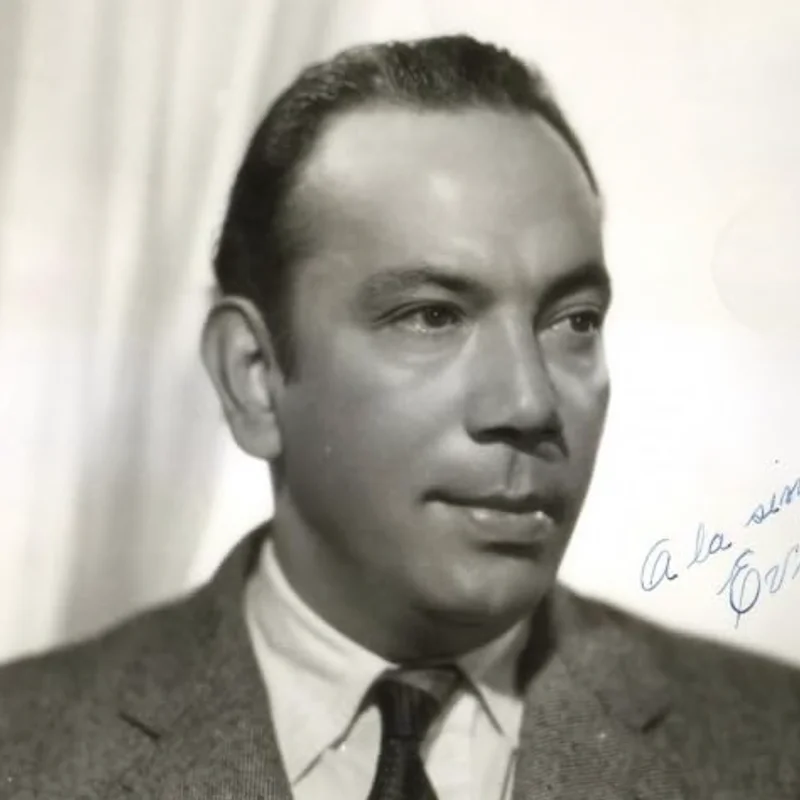
Miguel Inclán
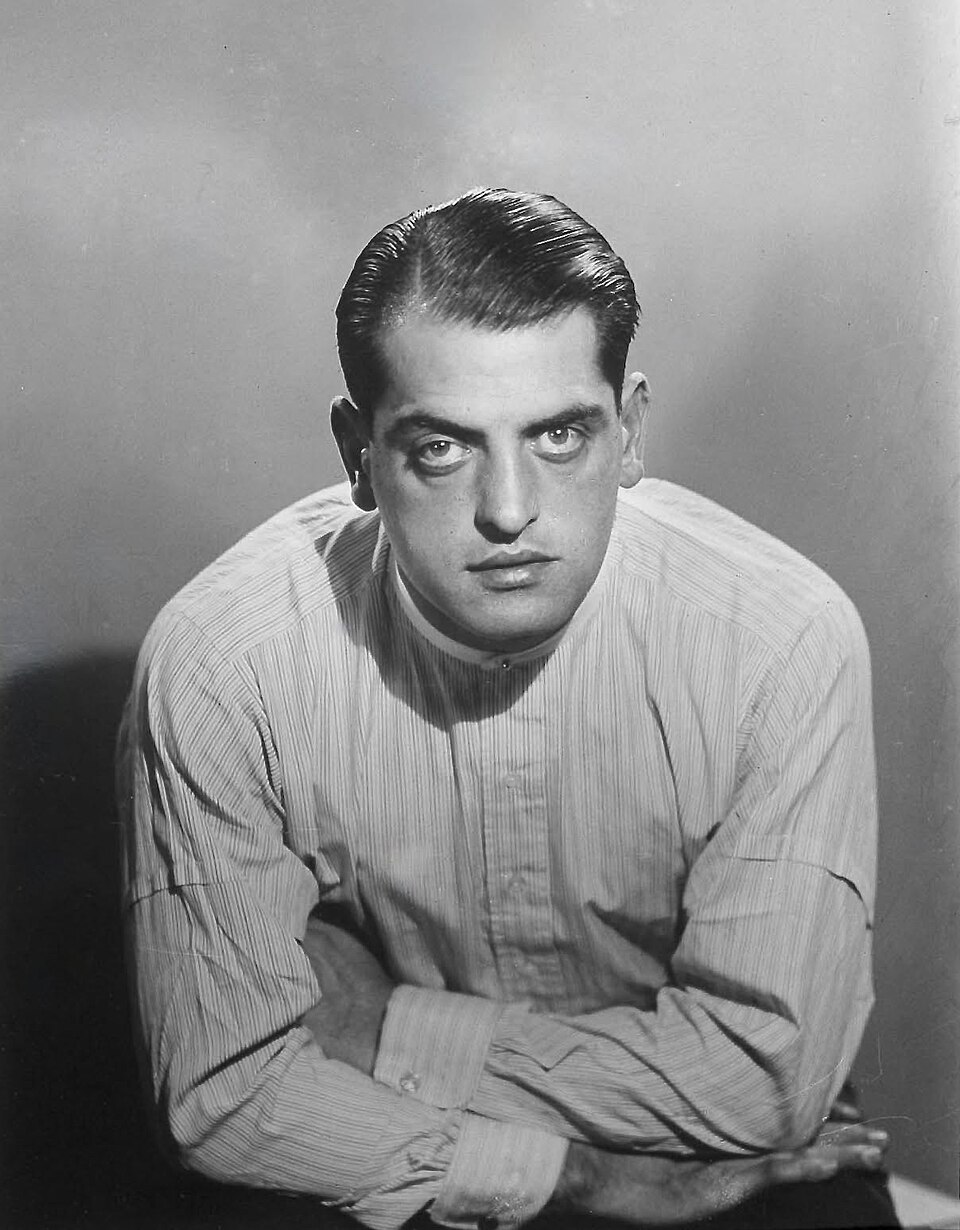
David Pablos
Director and Writer
Luis Buñuel was born in Calanda, Spain, in 1900 and became one of the most influential filmmakers in the history of cinema. His early collaborations with Salvador Dalí, including Un Chien Andalou and L’Age d’Or, helped bring surrealism to the screen and established the irreverent, dreamlike language that would remain present throughout his career.
After working in Europe and the United States, Buñuel settled in Mexico, where he directed Los Olvidados and many of his most enduring films. His career later included works such as Viridiana, The Exterminating Angel, Belle de Jour, and the Academy Award-winning The Discreet Charm of the Bourgeoisie.
Buñuel died in Mexico City in 1983, leaving behind a body of work that continues to challenge authority, convention, religion, class, and the comfortable boundaries between dreams and reality.
Luis Buñuel nació en Calanda, España, en 1900 y se convirtió en uno de los cineastas más influyentes de la historia. Sus primeras colaboraciones con Salvador Dalí, entre ellas Un perro andaluz y La edad de oro, llevaron el surrealismo a la pantalla y establecieron el lenguaje irreverente y onírico que permanecería a lo largo de toda su carrera.
Después de trabajar en Europa y Estados Unidos, Buñuel se estableció en México, donde dirigió Los Olvidados y muchas de sus películas más perdurables. Su trayectoria continuó con obras como Viridiana, El ángel exterminador, Belle de Jour y la ganadora del Óscar El discreto encanto de la burguesía.
Buñuel murió en la Ciudad de México en 1983, dejando una filmografía que continúa desafiando a la autoridad, las convenciones, la religión, las clases sociales y los límites cómodos entre los sueños y la realidad.
Film Stills / Fotogramas